What Your Store Says Before a Customer Ever Speaks to Staff

Customers form an opinion quickly

A customer can walk into a shop and understand a surprising amount without speaking to anyone. They notice how easy it is to move around, whether products are easy to find, how busy the store feels and whether everything appears looked after.

None of this necessarily happens consciously. It is simply part of how people navigate unfamiliar spaces.

That makes the physical setup of a store more important than it sometimes gets credit for. Fixtures, lighting, product spacing and even the condition of the checkout area all contribute to the first impression.

The entrance has a job to do

The first few metres inside a store shouldn’t be treated as spare space.

Customers need somewhere to enter and get their bearings before they start browsing. If the entrance immediately confronts them with a wall of merchandise, narrow aisles or several competing displays, it can make the shop feel smaller and harder to navigate.

A little open space can actually make the merchandise beyond it more noticeable.

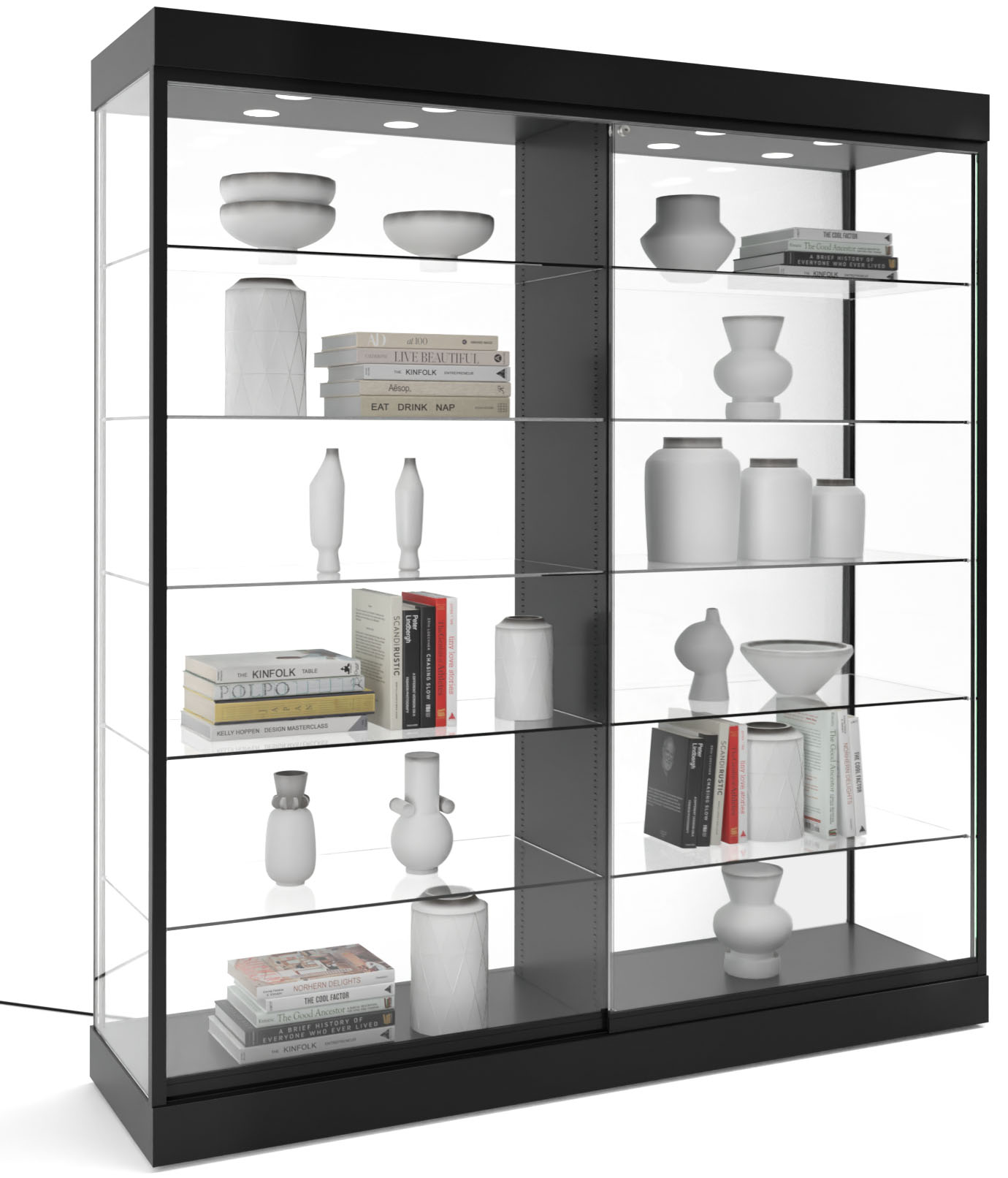
Display Case

Give important products some breathing room

Once customers move further into the store, the same principle applies to individual displays.

Trying to show too much at once makes it harder to tell what deserves attention. A feature product or collection usually benefits from having some space around it rather than being squeezed between unrelated items.

This doesn’t mean leaving half the store empty. It means being selective about where visual density is useful and where it isn’t.

The counter is part of the impression

The checkout area is another place where customers naturally form an opinion about the business.

It needs to work for staff, but it also needs to look organized from the customer side. Receipts, bags, packaging and equipment can quickly make a counter look chaotic if there isn’t enough dedicated storage.

A glass display counter can be particularly useful where a retailer wants the checkout area to serve another purpose as well, such as displaying smaller products or items that benefit from a more secure presentation.

That allows the counter to contribute to merchandising without simply becoming another obstacle on the sales floor.

Keep practical details out of sight

There is nothing wrong with a store looking like people actually work there. The problem is when everyday operations spill into places customers need to use.

Delivery boxes left beside displays, tangled cables, spare packaging and overflowing bins can make an otherwise decent shop feel unfinished.

Good storage doesn’t eliminate these things. It gives staff somewhere sensible to put them.

Consistency matters more than matching everything

A store doesn’t need every fixture to look identical. In fact, mixing materials and fixture types can make a space more interesting.

What matters is that the different elements feel as though they belong together. Similar finishes, sensible spacing and consistent product presentation can tie together fixtures that serve completely different purposes.

A display cabinet, shelving unit and checkout counter don’t need to be from the same range to work in the same room.

The best impression feels effortless

Customers shouldn’t have to think about why a store is easy to shop. They simply move through it, find what they need and interact with the products.

That usually comes from dozens of small decisions rather than one dramatic design feature.

Keep the entrance clear. Give important merchandise room. Make the checkout practical. Hide unnecessary clutter. Keep displays maintained.

Those details may not be what customers remember individually, but together they can determine how comfortable the store feels.

Making Sure Every Child Finds Their Place at the Party

Not Everyone Arrives Ready to Join In

There’s often a strange few minutes at the beginning of a children’s birthday party. One child charges through the door as if they’ve been waiting all year for this exact moment. Another stands beside their parent, quietly observing everything.

Neither reaction is unusual.

Children have different personalities, and parties can be particularly overwhelming when there are unfamiliar faces, a noisy room and lots of activity happening at once. Giving everyone a little time to settle in can make the rest of the celebration much easier.

A Shared Activity Breaks the Ice

One of the easiest ways to bring a group together is to give them something they can all focus on. It doesn’t need to be a complicated game or an elaborate performance.

A simple activity creates a natural reason for children to interact. They can compare what they’ve made, work together towards something or laugh at the same silly moment. Before long, conversations that might have felt awkward at first often happen naturally.

This is one reason a childrens entertainer can sometimes be useful at a party. A good activity gives children something to participate in without expecting them to introduce themselves or suddenly become best friends.

Let Friendships Develop Naturally

Party Entertainment

Adults can sometimes worry when a child isn’t immediately joining the group. We tend to think of a party as something where everyone should be having fun from the first minute.

Children don’t necessarily work that way.

Some need to watch before getting involved. They might sit beside a familiar friend, observe a game and eventually decide they’d like to participate. Giving them that choice is usually better than putting them on the spot.

Once they feel comfortable, they may become some of the most enthusiastic guests in the room.

Team Activities Can Work Wonders

When children are divided into small teams, they suddenly have a reason to communicate with people they might not normally play with.

It doesn’t have to become a fiercely competitive event. A treasure hunt, building challenge, puzzle or silly relay can work just as well when the emphasis is on cooperation.

In fact, removing some of the pressure to win can make these activities more enjoyable. The objective becomes completing something together rather than determining who is the superior eight-year-old athlete.

Don’t Forget the Different Personalities

Every party tends to contain a mixture of personalities.

There will be the natural performers, the quiet observers, the competitive ones, the comedians and the children who somehow manage to turn every object in the room into a weapon despite nobody giving them permission.

Entertainment should leave space for all of them.

Activities that allow children to participate at different levels are particularly useful. Someone can volunteer, another child can join in from their seat, while someone else might simply watch until they’re ready.

Food Creates Another Social Moment

Sitting down to eat is more than just a necessary interruption between activities. It’s another opportunity for children to relax together.

The pace naturally slows, giving them time to chat about what has already happened. This can be particularly helpful for children who needed longer to warm up.

It also gives the adults a brief chance to discover that, despite all their careful planning, someone has somehow managed to get icing on the ceiling.

Leave Plenty of Room for Free Play

Structured entertainment has its place, but children shouldn’t be directed through every minute of the party.

Free play allows them to choose who they want to spend time with and what they want to do. That’s often when friendships develop most naturally because children aren’t being told how to interact.

A few toys, some music or a little space can be enough.

The Goal Isn’t Perfect Participation

A successful party doesn’t mean every child was jumping around, volunteering for games and laughing loudly for two straight hours.

Some children will be quieter. Some will take longer to settle in. Others will be completely exhausted before the cake even appears.

What matters is that everyone has opportunities to participate in a way that feels comfortable to them. When children are given a welcoming environment, something interesting to do and enough freedom to be themselves, they tend to find their own way into the party.

And once that happens, the room usually takes care of the rest.

The Little Moments Daughters Remember Most Often Aren’t the Expensive Ones

Parents spend a lot of time worrying about getting everything “right” for their children.

The right school. The right hobbies. The right birthday presents. The right experiences. And somewhere along the way, it becomes easy to assume the biggest memories must come from the biggest spending.

But honestly, children — especially younger daughters — often remember completely different things than adults expect.

They remember moments that made them feel special.

I realised this years ago after overhearing a little girl at a family gathering talking excitedly about a birthday she’d had months earlier. She barely mentioned the gifts. Instead, she talked nonstop about “becoming a real princess for the day” and how everyone clapped when she walked into the room wearing her costume.

That stuck with me because it highlighted something important: imagination and emotional connection matter far more to children than perfection.

Why Imaginative Play Matters So Much for Young Children

Children naturally process the world through imagination. Roleplay helps them build confidence, communication skills, and creativity without even realising it.

One minute they’re royalty hosting a royal banquet. The next they’re explorers searching for treasure or superheroes saving the world from invisible villains.

For young daughters especially, themed activities often become more than just entertainment. They become moments where children feel seen, celebrated, and completely immersed in something magical.

That’s partly why themed celebrations continue growing in popularity with families.

A simple afternoon can suddenly feel unforgettable once storytelling and imagination become part of the experience.

Celebrating Personality Instead of Just Planning a Party

One thing I think modern parents do better than previous generations is tailoring celebrations around the child’s personality rather than following the exact same party formula every time.

Some children love noisy disco games and dancing. Others prefer creative activities, dress-up experiences, or character-led storytelling. Themed events allow parents to build something that genuinely reflects what their child enjoys.

That personal touch makes a huge difference emotionally.

Instead of just attending a birthday, children feel like they’re stepping into their own little world for the day.

For daughters who love fairytales, dress-up, and magical storytelling, a princess party can create exactly that kind of experience. It transforms an ordinary gathering into something immersive where children can fully embrace imagination alongside their friends.

And honestly, the excitement on their faces usually says everything.

Confidence Often Grows Through Play

Something people don’t talk about enough is how interactive themed experiences can actually help quieter children socially.

When kids step into imaginative roles, they often become more confident naturally. A shy child who normally avoids attention might suddenly sing, dance, or participate enthusiastically once they feel “in character.”

I’ve seen children who barely spoke at the beginning of a party become fully involved by the end simply because the environment felt playful instead of pressured.

That kind of confidence-building happens quietly in the background during many themed activities.

The Real Value Is in Shared Memories

As children grow older, most parents eventually realise time moves frighteningly fast.

The toddler years disappear. Then primary school flies by. Suddenly, the child who once believed fairy tales were real starts becoming independent.

That’s why moments where families genuinely connect tend to matter so much.

Not because every birthday needs to be extravagant, but because childhood memories are often built from emotional experiences shared together. Laughter during games. Excitement before guests arrive. The feeling of being celebrated and important for a day.

Those memories stay with children far longer than most material things.

Creating a Little Magic Matters

At the heart of it, themed celebrations aren’t really about costumes or decorations alone.

They’re about creating an atmosphere where children can feel excited, imaginative, confident, and joyful all at once.

And for many daughters, those magical experiences become part of the childhood memories they carry for years afterward.

How Inconsistent Sampling Leads to Expensive Quality Disputes After Delivery

Sampling is often viewed as a routine checkpoint in manufacturing, yet inconsistent sampling practices are one of the most common causes of post-delivery quality disputes. When samples fail to accurately represent real production output, both buyers and suppliers may believe quality expectations have been met—until the goods arrive.

Why Sampling Consistency Is a Critical Quality Control Element

Sampling is meant to provide a reliable snapshot of overall production quality. However, when selection methods vary or lack oversight, samples can easily misrepresent what is actually being produced. Factories may unintentionally—or deliberately—present higher-quality units for approval while mass production follows looser standards.

This gap creates confusion later, as buyers rely on approved samples while suppliers point to documentation showing compliance. The result is often disagreement over responsibility once defects are identified after delivery.

Common Causes of Sampling Mismatch

Inconsistent sampling usually stems from unclear protocols. Samples may be taken too early in production, before machines stabilize or workers settle into a routine. In other cases, samples are pulled from limited batches that do not reflect the full production run.

Changes in raw materials, operator shifts, or subcontracting can also introduce variation. Without controls in place, these differences remain unnoticed until finished goods are unpacked at their destination.

When Sample Approval Creates a False Sense of Security

Sample approval is often treated as a green light to proceed without further scrutiny. While samples are important, they represent a controlled environment rather than real-world production conditions. Once scale, speed, and pressure are introduced, quality can drift.

When delivered goods fail to match approved samples, disputes arise quickly. Buyers focus on the discrepancy, while suppliers argue that samples were approved and requirements met. At this stage, resolution becomes costly and time-consuming.

Why Shipment-Level Oversight Reduces Disputes

Relying solely on final inspections limits a buyer’s ability to prevent problems. While inspectors may identify defects, the opportunity to correct them is often minimal once production is complete.

A more effective approach includes consistent sampling verification tied directly to shipment release decisions. Programs centered around structured shipment inspection and quality verification help ensure that what was approved earlier aligns with what is actually shipped. This type of oversight reduces ambiguity and strengthens accountability on both sides of the transaction.

Aligning Sampling With Production Reality

Strong sampling protocols define when samples are taken, how many units are selected, and from which production lots. They also require independence, ensuring that samples are not pre-selected or staged.

Independent oversight helps confirm that sampling reflects true production output rather than isolated best-case examples. This approach allows buyers to document compliance accurately and address issues before goods leave the factory.

Many importers rely on shipment inspection services that emphasize consistency and traceability to minimize post-delivery quality disputes and protect commercial relationships.

Turning Sampling Into a Preventative Strategy

When sampling is handled correctly, it becomes a proactive risk management tool rather than a reactive formality. Consistent sampling reduces disputes, improves supplier performance, and creates clearer expectations across the supply chain.

In global trade, small inconsistencies early in the process often lead to the most expensive problems later. Treating sampling as a strategic control point helps ensure quality outcomes long after delivery.

Smart Christmas Shopping For Kids: Gifts They’ll Actually Use

The festive season brings a flood of toys, gadgets and impulse buys. To avoid wasted money (and a living room full of abandoned plastic), focus on gifts that match the child’s age, interests and your household routines. Below are practical, UK-friendly ideas that help you pick presents kids will play with — and keep.

Choose experiences over clutter

Experience gifts create memories rather than more stuff. Think family tickets to a local zoo, cinema passes, a weekend workshop, or a voucher for a holiday activity — all popular in the UK and easy to buy online. For busy parents, consider booking a small celebration or activity with a trusted provider: hiring a professional like a children’s party entertainer for a post-Christmas get-together turns the present into an experience everyone can enjoy without extra planning.

Pick toys that grow with the child

Look for open-ended toys that scale with age: building sets, construction kits, role-play costumes, and quality board games. These encourage creativity and can be adapted as skills develop. Avoid single-use novelty toys that break quickly; instead choose durable brands or secondhand finds in excellent condition — charity shops and local Facebook Marketplace bargains are great in the UK.

Lean into learning that feels like play

Children Party

STEM kits, simple science sets, craft subscription boxes and musical instruments give hours of hands-on fun while teaching new skills. For younger children, sensory play kits and messy-play sets are winners; for older kids, beginner coding kits, robotics starters or art supplies that let them produce something to be proud of are often used repeatedly rather than forgotten.

Make practical gifts desirable

Useful items don’t have to be boring. Personalized lunchboxes, themed pyjamas, good-quality scooters or waterproof outdoor suits (perfect for British weather) are both practical and exciting. Pair them with a small novelty — a favourite sticker pack or a cosy hat — to make the present feel special.

Subscriptions and staggered gifts beat one-off overload

Monthly book clubs, craft boxes, or snack subscriptions give kids something to look forward to and extend the joy beyond Christmas Day. If you’re concerned about cost, share a subscription with a grandparent or close friend, or choose shorter-term boxes as trial gifts.

Budget tips and shopping timing (UK-friendly)

Shop early for the best selection; leave big, non-perishable purchases for Black Friday or Boxing Day if you can wait. For handmade, local or ethical gifts, check out Christmas markets and local small-business pop-ups — they often offer unique, well-made items. If you’re stretched for time, curated gift bundles from independent retailers save hunting time and often include better quality.

Last-minute, low-effort winners

If December rush leaves you short, go for a digital voucher for an activity, a well-chosen book, a craft kit, or an experience day that can be booked later. Even a “family day out” voucher, written and wrapped with a guide of options, feels thoughtful and creates something to look forward to.

Final thought: match gift to lifestyle

The best presents fit family life — encourage outdoor play if you live near parks, choose quiet crafts for a small flat, or pick cooperative board games for big sibling groups. And if you want to turn a gift into an organised celebration, a reliable children’s party entertainer can make a simple family gathering feel like a proper festivity without extra stress.

Making the Most of Your Jewelry Display Cabinet: A Strategy for Beauty and Security

When it comes to jewelry, presentation isn’t just helpful—it’s critical. Jewelry needs to capture light, convey elegance, and appear both accessible and secure. A well-chosen jewelry display cabinet becomes the stage for your pieces, balancing visibility, protection, and brand story all in one. Here’s how to make it truly shine.

Maximize Light, Minimize Glare

The right lighting can uplift a simple ring into a showpiece. For a jewelry display cabinet, integrating soft LED or fiber-optic lighting removes unwanted reflections while enhancing sparkle. Spotlights directed with just enough angle highlight facets without distracting glare. Transparent flooring panels or mirrored backs amplify light, creating depth and shimmer. Keep lighting at manageable levels—consistency matters more than intensity.

Layout That Invites Exploration

Good display isn’t just about packing in everything. Reserve top shelves for your most eye-catching or high-value pieces. Arrange sets—earrings, necklaces, bracelets—together to showcase coordination. Vary height using risers and platforms: alternating tall and low levels helps prevent visual crowding. Create “negative space” around key products so each item has its moment. A clear walking path around the case encourages leisurely browsing.

Materials That Enhance the Experience

jewelry display cabinet

Jewelry displays deserve finishes that reflect the premium nature of the collection. Velvet, leather micro-suede, or soft neutral fabrics provide contrast against metals and gemstones. Use subtle colors—ivory, greys, midnight blue—to ensure the piece itself remains the focal point. Never use materials with strong patterns or textures that compete for attention.

When selecting hardware and framing materials, durability is as important as appearance. Smooth openers, invisible hinges, scratch-resistant glass, and sturdy locks help maintain quality and visitor trust over time.

Security Without Sacrifice

High-value items require protection. Opt for lockable doors that still allow viewing. Laminated or tempered glass adds impact resistance. Conceal screws, studs, or mounting hardware to keep attention inside the case, not on its infrastructure. Ensure that access points (doors, tops, drawers) are secure but effortless for staff.

Maintenance, Rotation & Freshness

A jewelry display cabinet must remain spotless; fingerprints, dust, or smudges diminish perceived value. Clean glass daily with soft, non-abrasive solutions. Rotate and refresh featured pieces monthly to keep customer interest alive. Introduce seasonal collections and limited editions to signal newness and exclusivity.

Storytelling with Context

Jewelry is part fashion, part memory. Use small, elegant labels to share gemstone origin, designer story, or care instructions. Position contrasting but complementary items—stick pins, cleaning cloths, display stands—to encourage bundled purchases. A cohesive narrative makes the display feel curated, not overloaded.

When done right, a jewelry display cabinet becomes more than a fixture—it becomes part of the product. It has the power to elevate your collection, reinforce brand trust, and turn browsing into buying.

Top Reasons Why AI Trading Platform Is Ideal for All Types of Investors

Artificial Intelligence AI trading platforms are transforming how people invest in financial markets. These platforms use advanced algorithms and data analysis to make smarter and quicker trading decisions. Whether you are a beginner, a casual investor, or a professional trader, AI trading platforms offer benefits that suit every level of experience. By automating tasks and providing real-time insights, these platforms help investors make better choices and improve their chances of success. Here are the key reasons why AI trading platforms are ideal for all types of investors.

Accurate Data Analysis

AI trading platforms analyze vast amounts of data quickly and accurately. They scan market trends, historical data, and news to predict potential price movements. This level of analysis is impossible for a human to match in real-time. Investors can rely on these insights to make informed decisions.

  • Processes millions of data points in seconds
  • Detects patterns and signals beyond human capability
  • Reduces emotional bias in trading decisions

Trading

Time Efficiency

Trading requires constant monitoring of markets, which can be time-consuming and What is Korvato Really Like? AI platforms automate this process, allowing investors to save time while still staying updated on market changes.

  • Automates trade execution based on set rules
  • Monitors markets 24/7 without breaks
  • Frees investors to focus on strategy, not screen-watching

Suitable for Beginners and Experts

AI trading platforms offer user-friendly interfaces for beginners while providing advanced tools for experts. Beginners can use preset strategies without deep market knowledge, and experts can customize algorithms to fit their style.

  • Simple setup and guided options for novices
  • Customizable algorithms for advanced traders
  • Educational resources integrated into platforms

Consistency and Discipline

One of the biggest challenges in investing is sticking to a plan and avoiding impulsive decisions. AI systems follow programmed strategies without emotion, ensuring consistent application.

  • Executes trades based on data, not feelings
  • Eliminates human errors caused by panic or greed
  • Maintains disciplined trading habits

Access to Diverse Markets

AI trading platforms provide access to multiple markets including stocks, forex, cryptocurrencies, and commodities. This variety allows investors to diversify easily and explore different opportunities.

  • Supports multi-asset trading
  • Enables diversification to reduce risk
  • Offers global market access anytime

Cost-Effective Investment

Many AI platforms reduce the need for expensive brokers or financial advisors. Automated trading lowers costs, making investing more affordable for everyone.

  • Lower fees compared to traditional brokers
  • No need for hiring personal advisors
  • Scalable solutions for any budget

The Advantages of AI Trading Platform

  • Accurate data analysis improves decision-making
  • Saves time by automating market monitoring
  • Beginners and experts both find tailored features
  • Consistent, emotion-free trades increase reliability
  • Access to diverse markets helps spread risk
  • Cost-effective options reduce investment expenses

AI trading platforms empower investors of all levels by providing advanced technology, easy access, and smart automation. This combination helps anyone achieve their financial goals more confidently and efficiently. Whether you are starting out or managing a large portfolio, using an AI trading platform can enhance your trading experience and results.

Bringing Curiosity Home: Everyday Experiments and Community Events

Sparking a child’s natural curiosity doesn’t require elaborate setups or expensive kits. Simple at-home experiments and local gatherings can turn ordinary days into memorable learning moments. From kitchen chemistry to neighborhood meet-ups, here’s how to weave discovery into your family’s routine—plus when a larger celebration like a children’s science parties event can take that enthusiasm even further.

Why Hands-On Exploration Matters

Children learn best by doing. When they mix, measure, and observe real reactions, abstract concepts become tangible. These hands-on experiences build confidence, encourage critical thinking, and foster a growth mindset where mistakes are viewed as discoveries rather than failures.

Kitchen Chemistry for Curious Minds

Your own kitchen is a ready-made laboratory. Try these simple experiments:

  • Color-Changing Cabbage Juice – Boil red cabbage leaves, strain the liquid, and use it as a pH indicator. Let kids test common powders (baking soda, vinegar) and watch the solution shift from purple to green or pink.
  • Walking Water Rainbow – Arrange six cups in a circle, each filled with colored water. Bridge them with paper towels and see the colors “walk” and mix, demonstrating capillary action.
  • Invisible Ink Messages – Squeeze lemon juice onto paper with a cotton swab. When dry, hold it close to a light bulb to reveal secret notes.

These quick activities use everyday ingredients and spark questions like “Why did that happen?”—the hallmark of true inquiry.

Kids’ Science Party

Nature Walks: Science Outside the Door

A backyard or local park provides endless learning opportunities. Send kids on a leaf-collecting mission, noting shapes and textures, or challenge them to find insects and classify them. Recording observations in a notebook or sketching findings deepens engagement and creates a family nature journal.

Joining Community Science Events

Local libraries, museums, and schools often host free drop-in workshops. These gatherings introduce new tools—microscopes, telescopes, or habitat tanks—under expert supervision. They’re low-pressure environments where children see that science is a shared, social pursuit.

When to Level Up with a Children’s Science Party

All these everyday activities lay the groundwork for a bigger celebration. A dedicated children’s science parties event brings together multiple stations—slime labs, volcano demos, rocket launches—under one roof. Professional entertainers guide each experiment, ensuring safety and maximizing the “wow” factor. If your child’s curiosity has reached a peak, marking a birthday or milestone with a themed party can cement their love of learning.

Tips for Maintaining Momentum

  • Ask Open-Ended Questions: Prompt kids to predict outcomes and explain observations.
  • Rotate Themes: Cycle through chemistry, physics, and biology to keep interest high.
  • Document Discoveries: Create a “lab report” or scrapbook with photos, drawings, and notes.

Resources for Further Exploration

For additional project ideas and step-by-step guides, visit Science Buddies at https://www.sciencebuddies.org. Their extensive library covers everything from simple sensor experiments to beginner-friendly robotics.

By blending low-cost home experiments, outdoor exploration, and occasional large-scale events like children’s science parties, you’ll nurture a lifelong passion for discovery in your child—proving that science truly is everywhere.

Benefits of Glass-Enclosed Shelving for Modern Interior Design

Understanding Glass-Enclosed Shelving

Glass-enclosed shelving combines transparency with protection, creating a streamlined solution that blends seamlessly into contemporary interiors. Unlike traditional open shelving, glass-enclosed units shield belongings from dust and wear while maintaining visual continuity across the room. Whether used to display décor, store glassware, or showcase curated collections, these shelves impart a sense of lightness and sophistication.

Enhancing Natural Light and Visual Flow

One of the most compelling benefits of glass-enclosed shelving is its ability to allow light to pass through unobstructed. In rooms with limited windows or low ceilings, a glass-fronted unit minimizes visual barriers. Daylight filters through the transparent panels, reducing shadows and creating a brighter atmosphere. By avoiding solid backs or opaque doors, glass-enclosed shelves maintain sightlines—making smaller or darker spaces feel open and airy.

Creating the Illusion of Space

In modern interior design, maximizing perceived space is essential. Glass-enclosed shelving contributes to this goal by eliminating bulky visual weight. Because the contents appear to float behind clear glass, the room’s depth seems to extend beyond the physical boundaries of the shelf. This effect is particularly useful in narrow hallways or compact living areas, where traditional cabinets can feel imposing. By choosing a sleek wall mounted glass cabinet, designers elevate functionality without sacrificing spaciousness.

Wall Display Case

Balancing Aesthetics and Functionality

Glass-enclosed shelves strike a balance between showcasing items and hiding clutter. In living rooms or offices, they serve as elegant display cases for curated décor—fine china, art objects, or family heirlooms—while keeping dust at bay. In kitchens or bathrooms, glass fronts protect dishware or toiletries from moisture and airborne particles. Unlike solid-front cabinets, glass units encourage thoughtful organization; since contents remain visible, homeowners tend to maintain tidier arrangements, which enhances the overall aesthetic appeal.

Protection and Durability

Modern glass-shelving systems often use tempered or laminated glass, which offers robust resistance to impact. Unlike untreated glass, tempered variants reduce the risk of shattering into sharp shards—making them safer in high-traffic areas. Enclosed designs also include seals or minimal gaps around doors, preventing dust accumulation and prolonging the lifespan of stored items. Metal or wood framing around the glass adds structural support, ensuring that the unit can bear weight while maintaining a refined profile.

Easy Maintenance and Longevity

Maintaining glass-enclosed shelving is straightforward: a quick wipe with a microfiber cloth and a mild glass cleaner removes fingerprints and smudges. Sealed panels discourage dust from settling on interior surfaces, reducing the frequency of deep cleans. Additionally, most glass-enclosed units feature adjustable shelves, allowing homeowners to rearrange items without committing to a fixed configuration. Because glass resists scratches better than certain plastics or laminates, these shelves remain looking new for years, even in busy environments.

Versatility in Styling

Another advantage of glass-enclosed shelving is its adaptability across design schemes. In minimalist or Scandinavian-inspired interiors, frameless glass units maintain a clean, uncluttered look. In loft-style apartments with industrial accents, black metal framing around the glass introduces contrast without overpowering the space. Designers can choose tinted or frosted glass panels to introduce subtle privacy while still hinting at the silhouettes inside. The result is a versatile piece that complements wood, metal, or painted finishes.

Installation and Placement Considerations

When integrating glass-enclosed shelving, placement and mounting hardware are crucial. Wall-mounted options optimize floor space, making them ideal for entryways, home offices, and living rooms. Before installation, assess wall strength—drywall alone may require reinforcement or specialized anchors to support the combined weight of shelving, glass, and displayed items. For larger collections, consider grouping multiple glass units in a symmetrical arrangement, creating a cohesive gallery wall. If electricity access permits, integrate LED strip lighting within the cabinet frame to illuminate contents after sunset, enhancing both functionality and ambiance.

Sustainable and Eco-Friendly Choices

For eco-conscious homeowners, selecting glass-enclosed shelving crafted from recycled or low-VOC materials aligns with sustainable design principles. Glass is naturally recyclable, and many manufacturers now offer units made with environmentally friendly adhesives and sealants. By choosing a long-lasting, recyclable shelving solution, homeowners reduce the need for frequent replacements, thereby minimizing waste. In addition, transparent shelving encourages mindful curation; visible displays often deter impulse purchases, supporting a more sustainable lifestyle.

Integrating Glass-Enclosed Shelving into Different Rooms

  • Living Room: Use a glass-fronted unit to showcase art pieces, awards, or a curated book collection. Position it against a lightly colored wall to maximize reflection and brightness.
  • Kitchen: Replace a section of solid-front cabinets with glass-enclosed shelving to display glassware, china, or cookbooks—creating an open, inviting feel.
  • Home Office: Store reference materials and décor items behind clear panels, maintaining a professional look while protecting valuable books or electronics from dust.
  • Bathroom: Utilize a glass-enclosed wall cabinet for toiletries and towels. The transparent front helps track inventory while protecting linens from moisture.
  • Hallway or Entryway: A narrow, wall-mounted glass unit can hold keys, small decorative objects, or seasonal items—serving both as storage and a styling element.

Glass-enclosed shelving offers a seamless fusion of form and function, perfectly suited to modern interior design. By enhancing natural light, creating an illusion of space, and providing durable, low-maintenance storage, these units elevate any room. Whether showcasing treasured collectibles in a home office or displaying elegant glassware in the kitchen, a well-chosen wall mounted glass cabinet can redefine how you think about storage—transforming it from a purely utilitarian feature into an integral design statement.

The Versatility of Online Sports Games for Players of All Skill Levels

Online sports games have evolved into a versatile platform that appeals to players across a broad spectrum of skill levels, making them one of the most inclusive forms of digital entertainment today. Whether someone is a complete beginner, a casual player, or a seasoned professional, these games offer opportunities that cater to varying abilities and interests. For novices, online sports games provide an accessible entry point where learning and improvement can happen gradually and at one’s own pace. Many games include beginner modes, tutorials, and adjustable difficulty settings that help new players understand the basics without feeling overwhelmed. This nurturing environment encourages users to build confidence and familiarity with the game mechanics before diving into more competitive play. At the same time, casual players find online sports games to be an enjoyable way to relax and engage socially. The multiplayer features allow friends and family to connect virtually, fostering friendly competition and shared experiences that enhance the overall enjoyment.

The social aspect often encourages players to improve their skills casually, driven by camaraderie rather than pressure to perform. For advanced players and enthusiasts, online sports games offer a highly competitive arena where skill, strategy, and quick thinking are paramount. Many games host ranked modes, tournaments, and leagues where experienced players can challenge themselves against others of similar or higher skill levels. The dynamic nature of online sports games, where developers regularly introduce new features, modes, and challenges, keeps the experience fresh and demanding for those seeking continuous improvement. Moreover, online tarungtoto games have embraced technology to further level the playing field across skill levels. Features such as matchmaking algorithms ensure that players face opponents of comparable expertise, preventing discouragement that can come from uneven matchups. Additionally, many games incorporate assistive tools like aim assists, practice drills, and replay systems that help players analyze and improve their gameplay. The versatility of these games also extends to their wide range of sports genres and formats.

From traditional team sports like soccer, basketball, and football to niche or emerging sports like skateboarding, snowboarding, or esports versions of racing and fighting games, there is something for everyone. This diversity ensures that players with different interests and strengths can find a game that resonates with their passion and style. The virtual environment also allows for creative and imaginative game modes that might not be possible in real life, such as fantasy leagues, customizable teams, or mixed-discipline tournaments, further broadening appeal. Another significant aspect of online sports games’ versatility lies in their accessibility. They can be played on multiple devices consoles, PCs, and even smartphones making it easy for players to jump in anytime and anywhere. This convenience encourages continuous engagement and allows people with different lifestyles and time constraints to enjoy the games on their own terms. Online sports games stand out for their ability to accommodate players at every stage of their skill development and interest level. By combining accessibility, a range of difficulty options, social interaction, competitive opportunities, and a rich variety of sports genres, they have created an inclusive and dynamic environment that fosters enjoyment and growth.