What Your Store Says Before a Customer Ever Speaks to Staff

Customers form an opinion quickly

A customer can walk into a shop and understand a surprising amount without speaking to anyone. They notice how easy it is to move around, whether products are easy to find, how busy the store feels and whether everything appears looked after.

None of this necessarily happens consciously. It is simply part of how people navigate unfamiliar spaces.

That makes the physical setup of a store more important than it sometimes gets credit for. Fixtures, lighting, product spacing and even the condition of the checkout area all contribute to the first impression.

The entrance has a job to do

The first few metres inside a store shouldn’t be treated as spare space.

Customers need somewhere to enter and get their bearings before they start browsing. If the entrance immediately confronts them with a wall of merchandise, narrow aisles or several competing displays, it can make the shop feel smaller and harder to navigate.

A little open space can actually make the merchandise beyond it more noticeable.
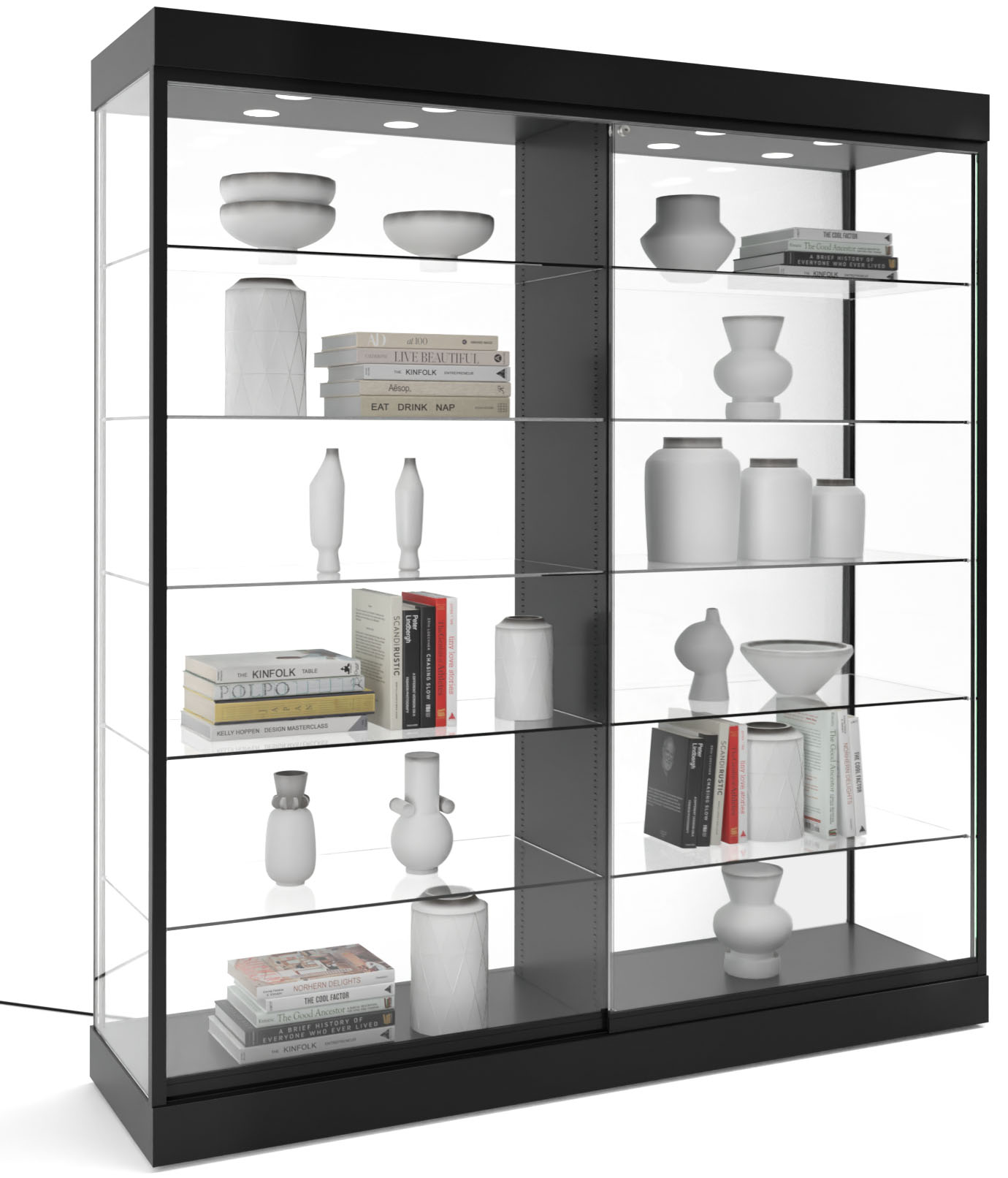
Display Case

Give important products some breathing room

Once customers move further into the store, the same principle applies to individual displays.

Trying to show too much at once makes it harder to tell what deserves attention. A feature product or collection usually benefits from having some space around it rather than being squeezed between unrelated items.

This doesn’t mean leaving half the store empty. It means being selective about where visual density is useful and where it isn’t.

The counter is part of the impression

The checkout area is another place where customers naturally form an opinion about the business.

It needs to work for staff, but it also needs to look organized from the customer side. Receipts, bags, packaging and equipment can quickly make a counter look chaotic if there isn’t enough dedicated storage.

A glass display counter can be particularly useful where a retailer wants the checkout area to serve another purpose as well, such as displaying smaller products or items that benefit from a more secure presentation.

That allows the counter to contribute to merchandising without simply becoming another obstacle on the sales floor.

Keep practical details out of sight

There is nothing wrong with a store looking like people actually work there. The problem is when everyday operations spill into places customers need to use.

Delivery boxes left beside displays, tangled cables, spare packaging and overflowing bins can make an otherwise decent shop feel unfinished.

Good storage doesn’t eliminate these things. It gives staff somewhere sensible to put them.

Consistency matters more than matching everything

A store doesn’t need every fixture to look identical. In fact, mixing materials and fixture types can make a space more interesting.

What matters is that the different elements feel as though they belong together. Similar finishes, sensible spacing and consistent product presentation can tie together fixtures that serve completely different purposes.

A display cabinet, shelving unit and checkout counter don’t need to be from the same range to work in the same room.

The best impression feels effortless

Customers shouldn’t have to think about why a store is easy to shop. They simply move through it, find what they need and interact with the products.

That usually comes from dozens of small decisions rather than one dramatic design feature.

Keep the entrance clear. Give important merchandise room. Make the checkout practical. Hide unnecessary clutter. Keep displays maintained.

Those details may not be what customers remember individually, but together they can determine how comfortable the store feels.
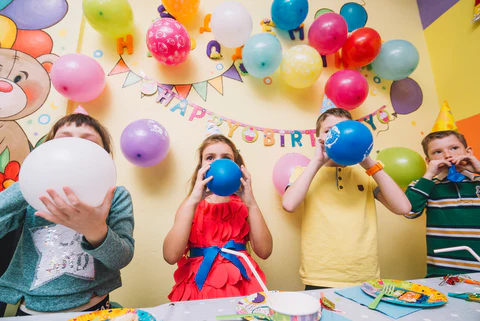
Making Sure Every Child Finds Their Place at the Party

Not Everyone Arrives Ready to Join In

There’s often a strange few minutes at the beginning of a children’s birthday party. One child charges through the door as if they’ve been waiting all year for this exact moment. Another stands beside their parent, quietly observing everything.

Neither reaction is unusual.

Children have different personalities, and parties can be particularly overwhelming when there are unfamiliar faces, a noisy room and lots of activity happening at once. Giving everyone a little time to settle in can make the rest of the celebration much easier.

A Shared Activity Breaks the Ice

One of the easiest ways to bring a group together is to give them something they can all focus on. It doesn’t need to be a complicated game or an elaborate performance.

A simple activity creates a natural reason for children to interact. They can compare what they’ve made, work together towards something or laugh at the same silly moment. Before long, conversations that might have felt awkward at first often happen naturally.

This is one reason a childrens entertainer can sometimes be useful at a party. A good activity gives children something to participate in without expecting them to introduce themselves or suddenly become best friends.

Let Friendships Develop Naturally

Party Entertainment

Adults can sometimes worry when a child isn’t immediately joining the group. We tend to think of a party as something where everyone should be having fun from the first minute.

Children don’t necessarily work that way.

Some need to watch before getting involved. They might sit beside a familiar friend, observe a game and eventually decide they’d like to participate. Giving them that choice is usually better than putting them on the spot.

Once they feel comfortable, they may become some of the most enthusiastic guests in the room.

Team Activities Can Work Wonders

When children are divided into small teams, they suddenly have a reason to communicate with people they might not normally play with.

It doesn’t have to become a fiercely competitive event. A treasure hunt, building challenge, puzzle or silly relay can work just as well when the emphasis is on cooperation.

In fact, removing some of the pressure to win can make these activities more enjoyable. The objective becomes completing something together rather than determining who is the superior eight-year-old athlete.

Don’t Forget the Different Personalities

Every party tends to contain a mixture of personalities.

There will be the natural performers, the quiet observers, the competitive ones, the comedians and the children who somehow manage to turn every object in the room into a weapon despite nobody giving them permission.

Entertainment should leave space for all of them.

Activities that allow children to participate at different levels are particularly useful. Someone can volunteer, another child can join in from their seat, while someone else might simply watch until they’re ready.

Food Creates Another Social Moment

Sitting down to eat is more than just a necessary interruption between activities. It’s another opportunity for children to relax together.

The pace naturally slows, giving them time to chat about what has already happened. This can be particularly helpful for children who needed longer to warm up.

It also gives the adults a brief chance to discover that, despite all their careful planning, someone has somehow managed to get icing on the ceiling.

Leave Plenty of Room for Free Play

Structured entertainment has its place, but children shouldn’t be directed through every minute of the party.

Free play allows them to choose who they want to spend time with and what they want to do. That’s often when friendships develop most naturally because children aren’t being told how to interact.

A few toys, some music or a little space can be enough.

The Goal Isn’t Perfect Participation

A successful party doesn’t mean every child was jumping around, volunteering for games and laughing loudly for two straight hours.

Some children will be quieter. Some will take longer to settle in. Others will be completely exhausted before the cake even appears.

What matters is that everyone has opportunities to participate in a way that feels comfortable to them. When children are given a welcoming environment, something interesting to do and enough freedom to be themselves, they tend to find their own way into the party.

And once that happens, the room usually takes care of the rest.