Sometimes the Best Place for Merchandise Is on the Wall
Retailers often look at an empty section of floor and see an opportunity for another display. The problem is that every additional fixture takes up room customers could otherwise use to move around, compare products, or browse comfortably.
Before adding another table or freestanding unit, it is worth looking at the walls. Used properly, wall shelving can give merchandise more visibility without taking up valuable floor space. It can also help separate product categories and make a shop feel more organised.
The key is choosing the right type of shelving for the products and the way customers shop for them.
Let the Merchandise Guide the Design
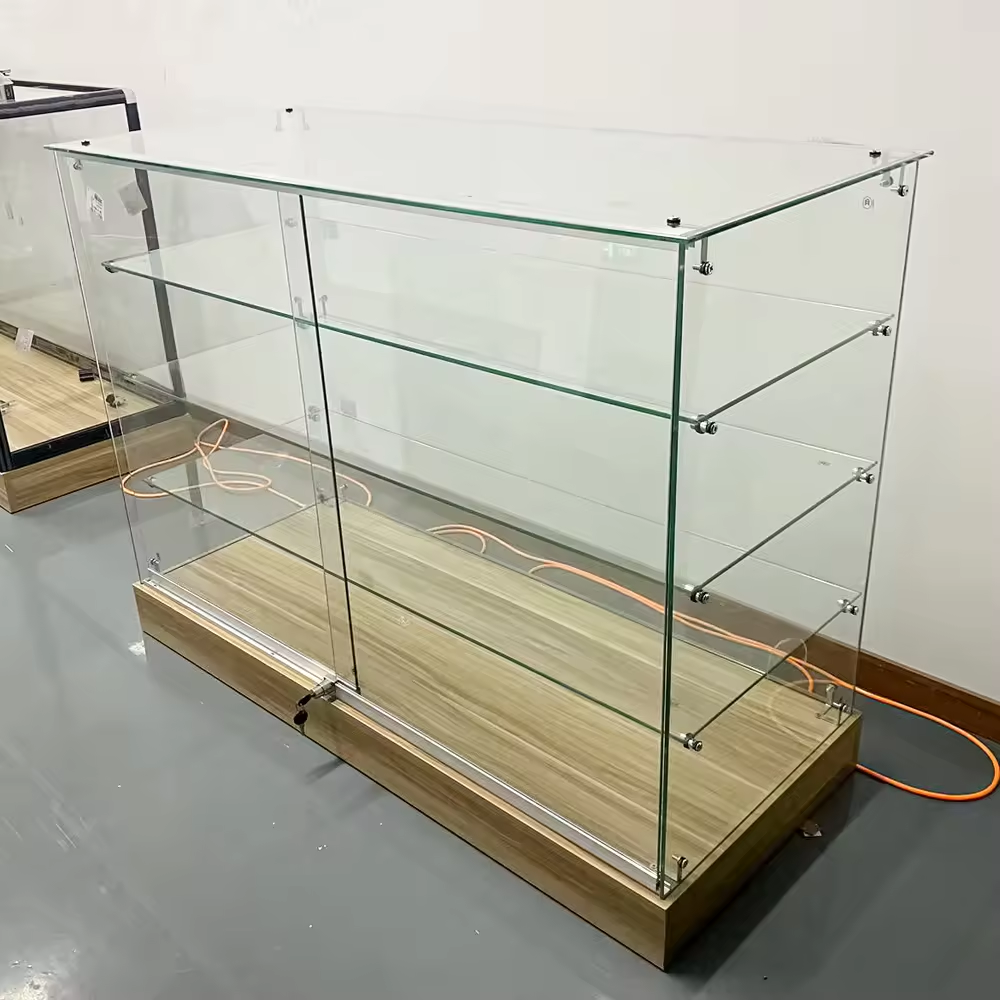
Glass wall display shelves can work particularly well for products that benefit from an open presentation. Glass keeps the shelving visually light, allowing the merchandise to remain the main focus rather than making the fixture itself dominate the wall.
This can be useful for cosmetics, accessories, small homeware items, collectibles, and other products that customers should be able to see clearly. Glass also allows light to pass through the display, which can help prevent a wall section from feeling heavy or enclosed.
However, open shelving is not suitable for everything. Products that need to be locked away, protected from frequent handling, or kept in controlled conditions may be better suited to an enclosed cabinet. Think about the merchandise first rather than choosing a fixture simply because it looks good.
Avoid Turning the Wall Into a Storage Area
One of the easiest mistakes with shelving is treating every available surface as somewhere to put more stock. When shelves are packed tightly, customers struggle to distinguish individual products and the overall presentation becomes harder to follow.
Instead, give each shelf a clear purpose. Group related items together, leave enough room to see packaging and product details, and place important merchandise where it is easy to notice.
You do not necessarily need to leave large gaps between every item. The amount of space depends on the product range, but customers should be able to understand the display without having to study it for too long.
It is also worth considering how the wall looks from across the store. A consistent arrangement can make a section feel deliberate, while an assortment of unrelated products at different heights may look untidy even when everything is technically organised.
Get the Shelf Heights Right
A wall display can waste a surprising amount of space if the shelves are positioned without considering the products they will hold. Tall packaging needs more clearance, while smaller merchandise may not need much vertical room at all.
Plan the spacing around the actual product dimensions, including any packaging that may change over time. If the product range is likely to expand or change seasonally, adjustable shelving can make future rearrangements easier.
Think about customer reach as well. Frequently purchased items should be easy to access, while products displayed higher up should remain clearly visible and not require customers to stretch uncomfortably.
Check the Practical Details Before Installation
Glass shelving needs appropriate support for the expected load. The type of wall, mounting hardware, shelf dimensions, and weight of the merchandise all affect what can be installed safely.
Do not assume that every wall can support the same arrangement. Follow the manufacturer’s specifications and use suitable fixings for the wall construction. If the wall or load capacity is uncertain, have a qualified installer assess it.
Cleaning also deserves consideration. Glass shows fingerprints and dust more readily than some other materials, so staff need to be able to reach the shelves without difficulty.
Make the Wall Work With the Rest of the Store
Wall shelving should complement the surrounding fixtures rather than compete with them. Consider nearby counters, signs, lighting, and the main customer route before deciding where products belong.
The goal is not to use every inch of wall space. It is to make merchandise easier to see while keeping the sales floor comfortable and functional. When shelving is planned around the products, the available space, and everyday store operations, it can improve the layout without adding unnecessary clutter.